District-level Consultation Workshop in Borguna
1/8/2026
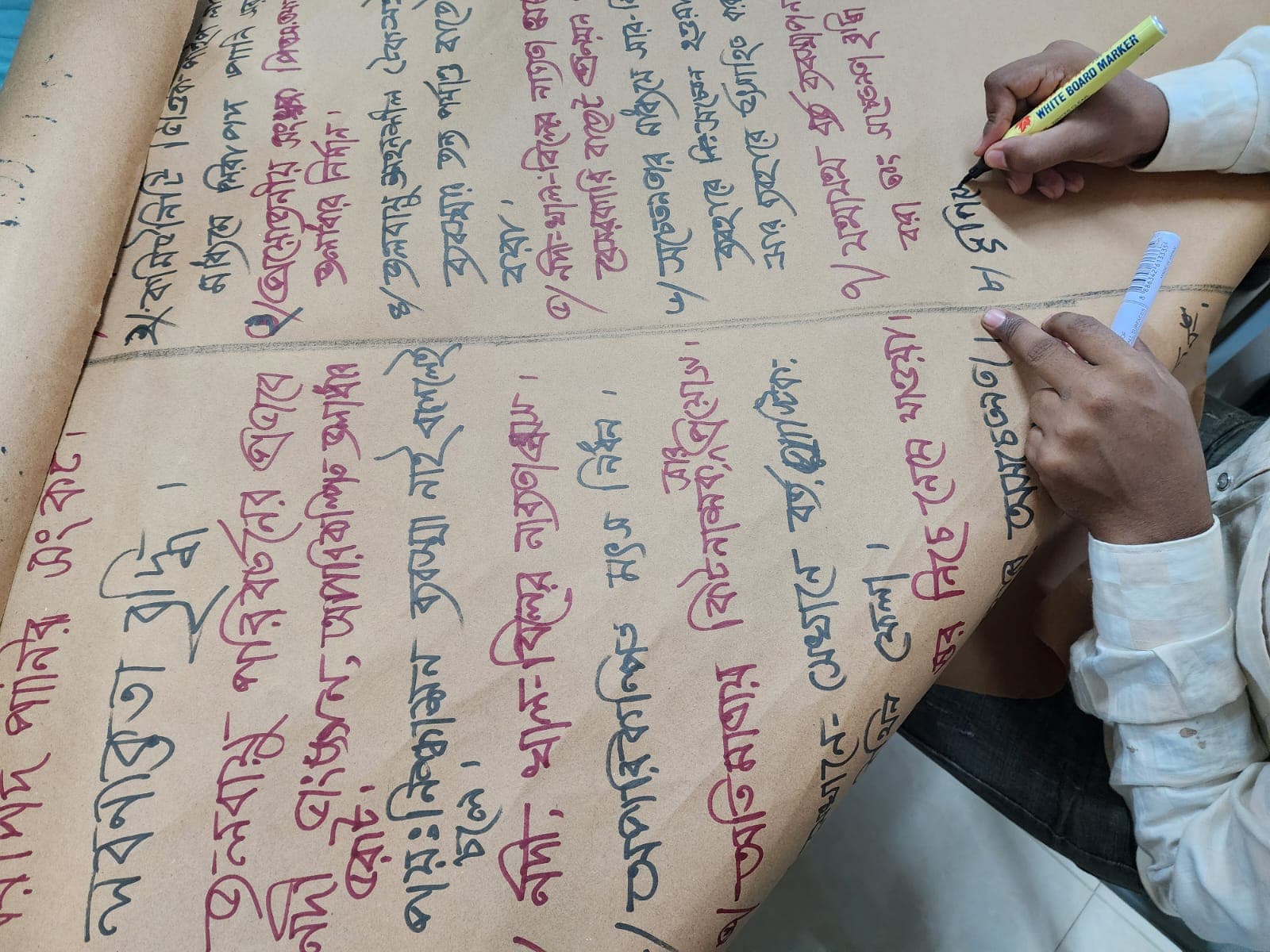
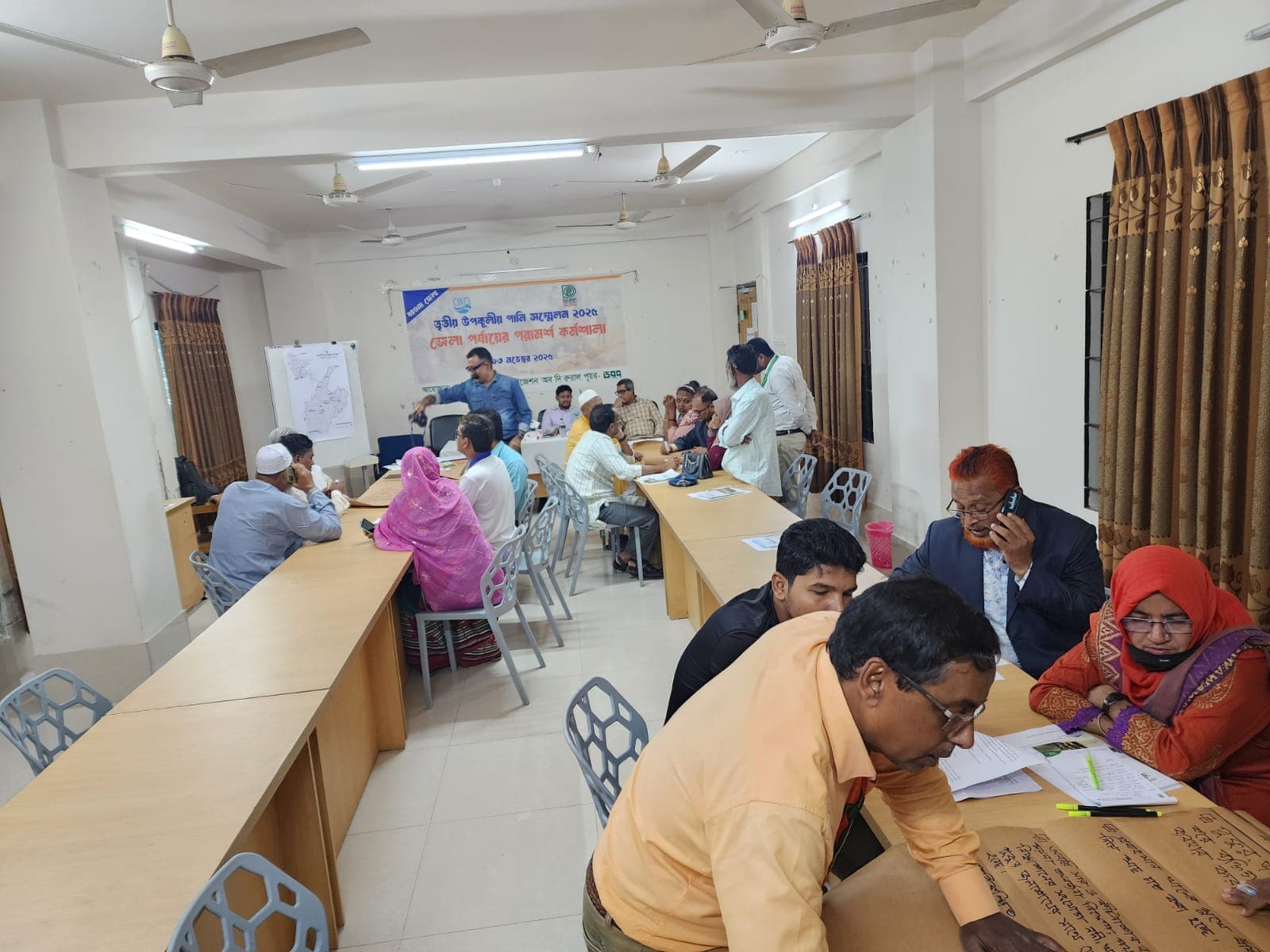
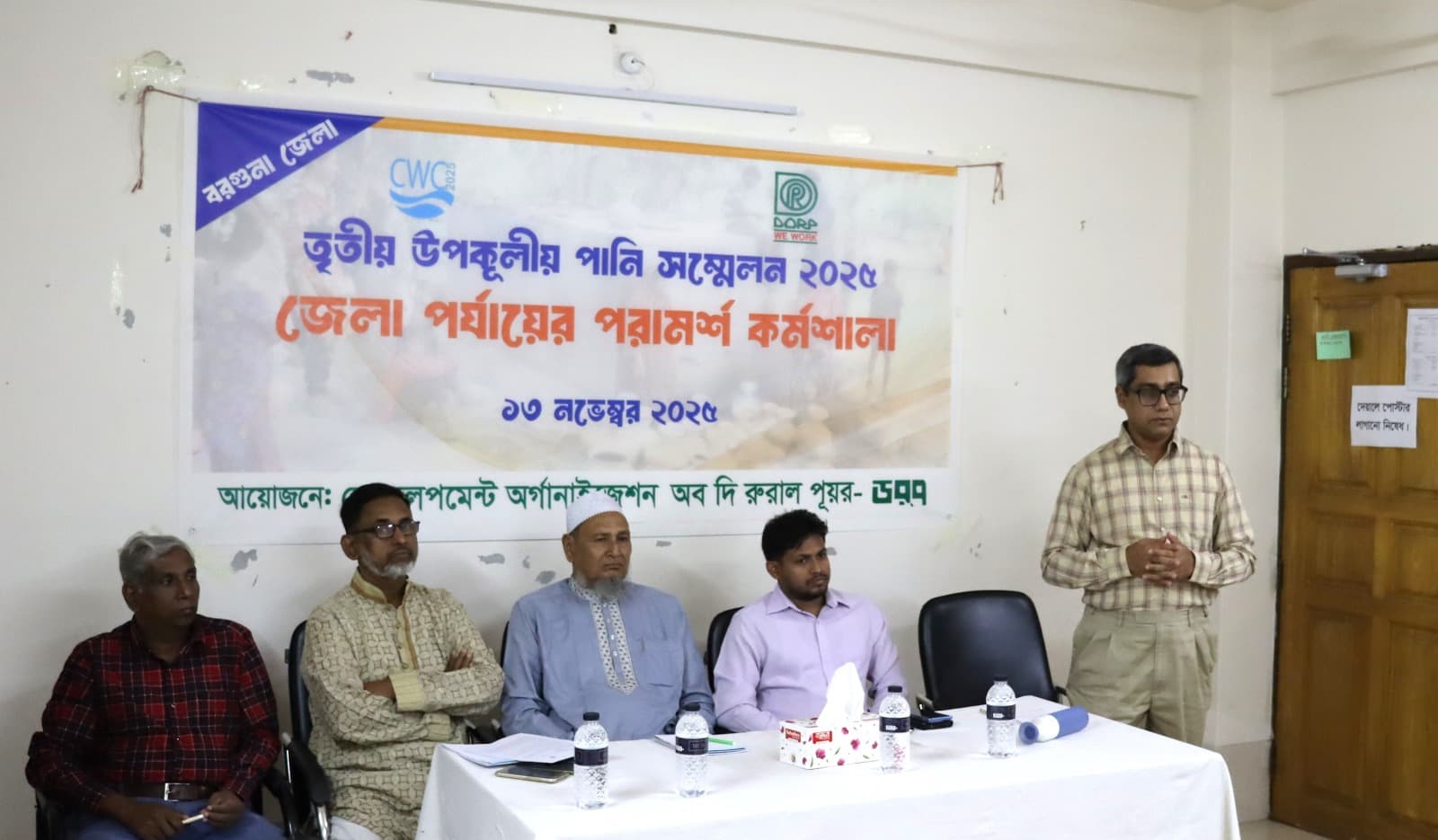
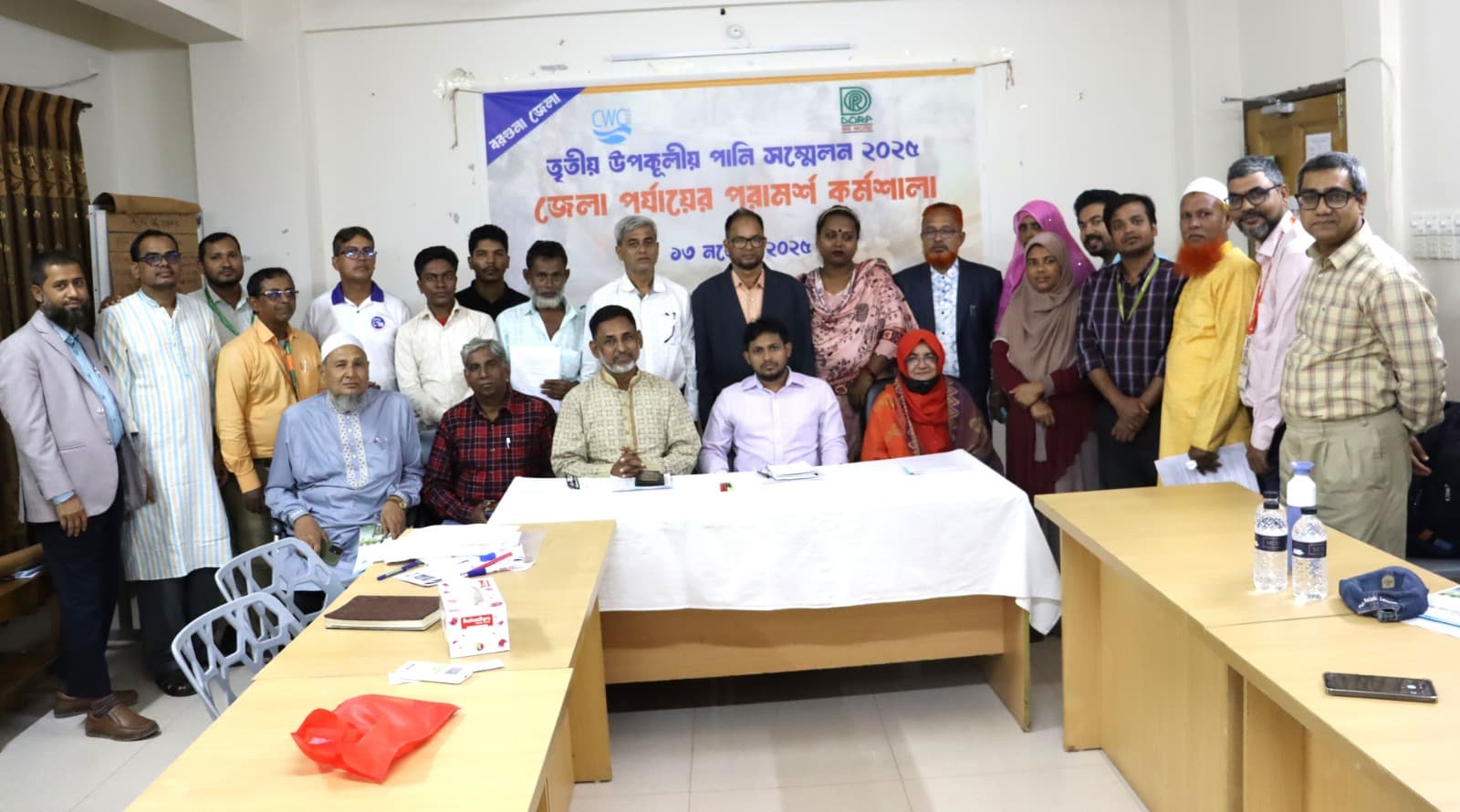
The District-Level Consultation Workshop for the “3rd Coastal Water Convention 2025” was convened in Barguna on 13 November 2025 and organized by the Development Organization of the Rural Poor (DORP) to consolidate local evidence and priority actions on coastal water security and governance. Given Barguna’s high exposure to salinity intrusion, cyclones and storm surges, tidal flooding, waterlogging, erosion, and chronic freshwater scarcity, the workshop focused on documenting community-experienced challenges, identifying governance gaps, and developing actionable recommendations aligned with SDG 6 and related goals, particularly SDG 14 and SDG 15.
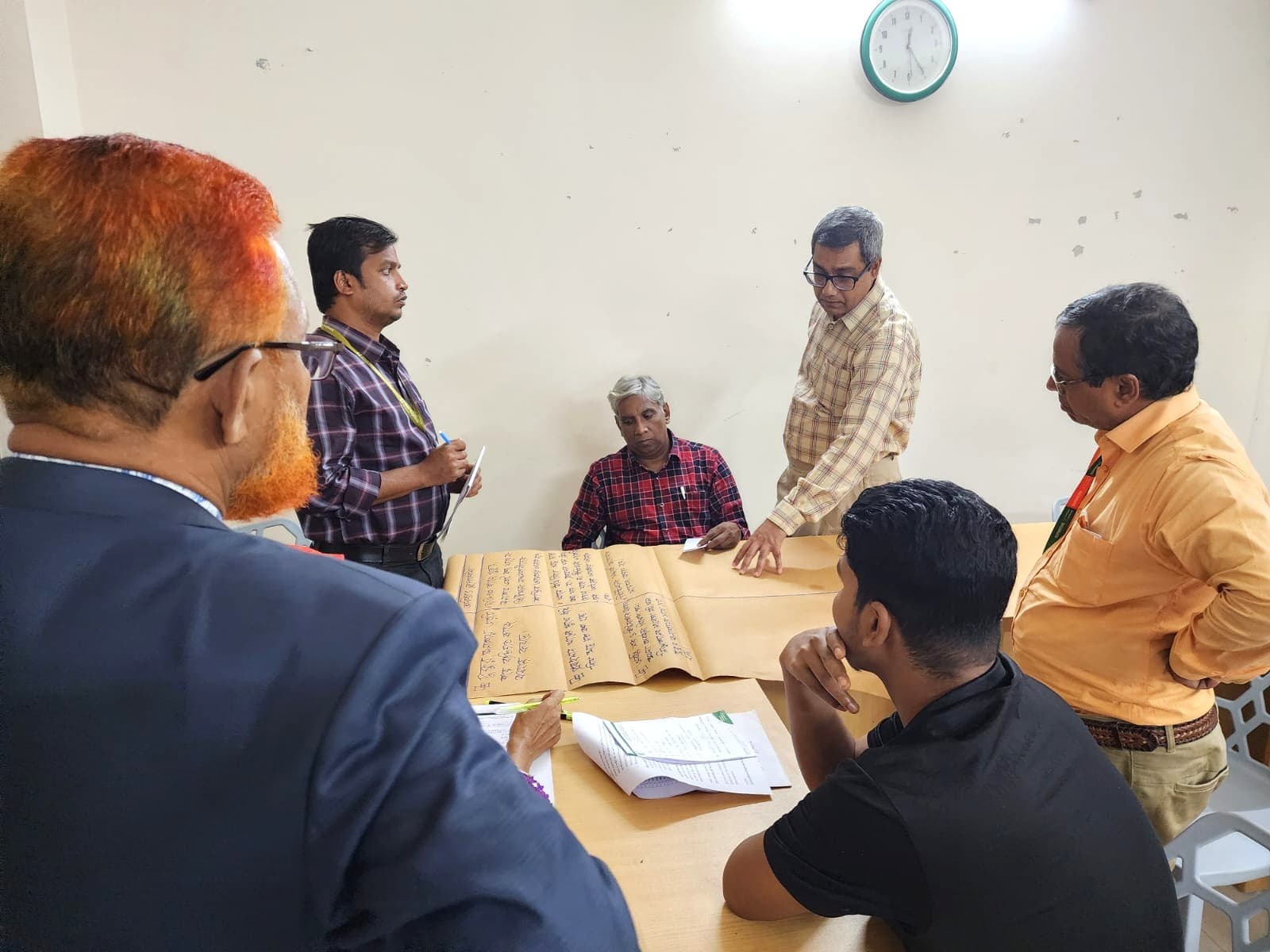
Participants highlighted an accelerating freshwater crisis driven by climate variability, increasing disaster intensity, and salinity, with direct impacts on agriculture, aquaculture, livestock production, and public health. The burden of water insecurity was recognized as strongly gendered, as women and children often travel long distances to collect safe drinking water, creating protection and safety risks and intensifying time poverty. Health concerns were also prominent, including rising incidence of waterborne diseases and salinity-related conditions such as diarrhea, skin diseases, and high blood pressure. Communities further reported disrupted rainfall patterns, a declining groundwater table that is rendering deep tube wells increasingly non-functional, and widespread canal encroachment that is reducing surface water connectivity and compounding scarcity and waterlogging.
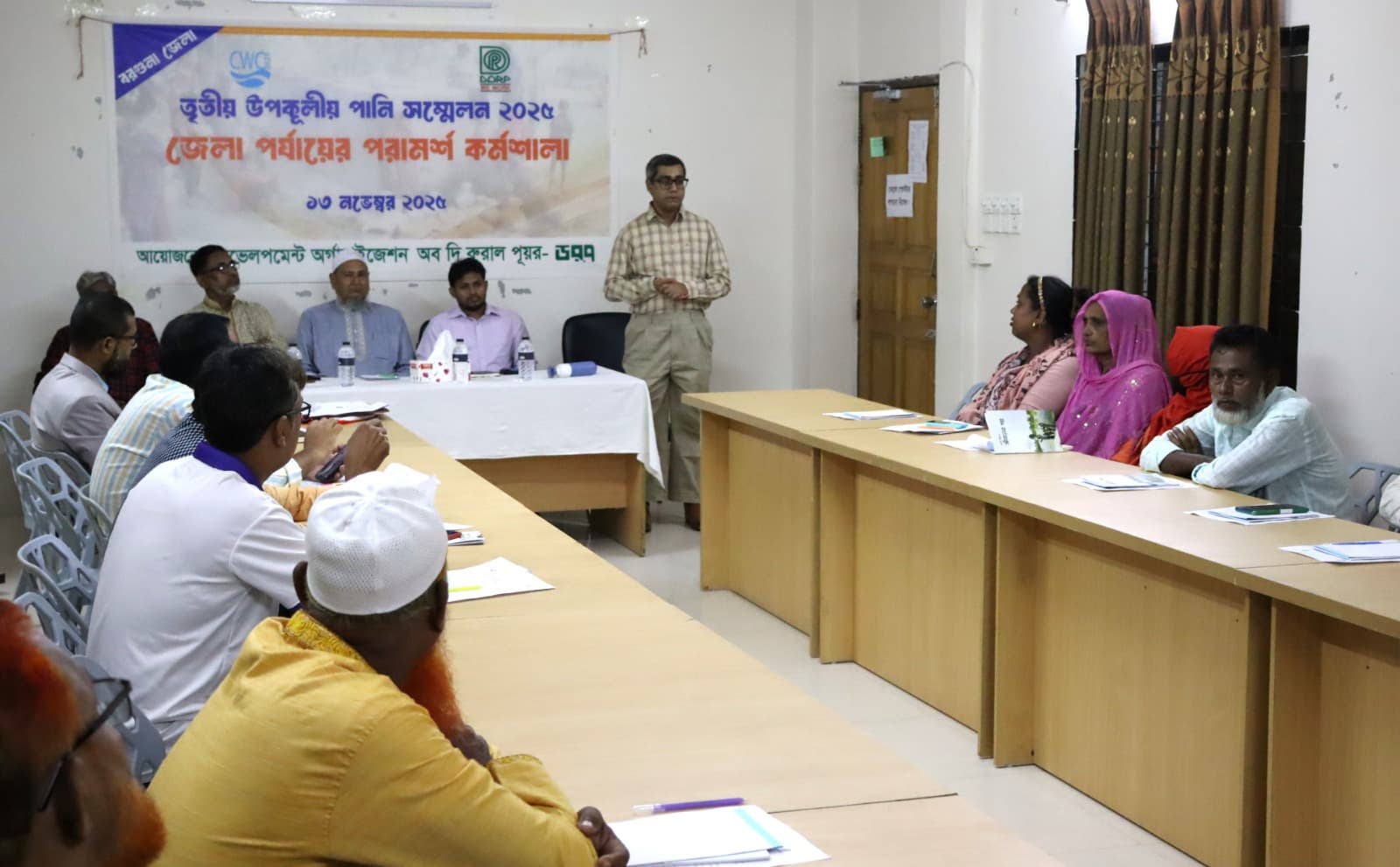
On water governance, the workshop underscored limited coordination among key institutions—including the Water Development Board, local government bodies, the Department of Environment, and the agriculture, fisheries, and forest departments—alongside weak accountability and low transparency in the operation of water infrastructure, particularly sluice gates. Concerns were raised about the conversion and filling of ponds and wetlands for private use, the blocking of canal mouths for fish farming that restricts natural flow, and the expansion of pollution pressures through unregulated agrochemical use, waste dumping, and drainage/sewer connections into waterways. Existing water management committees were described as largely inactive, while embankment construction and maintenance were reported to suffer from inadequate oversight and limited community involvement.
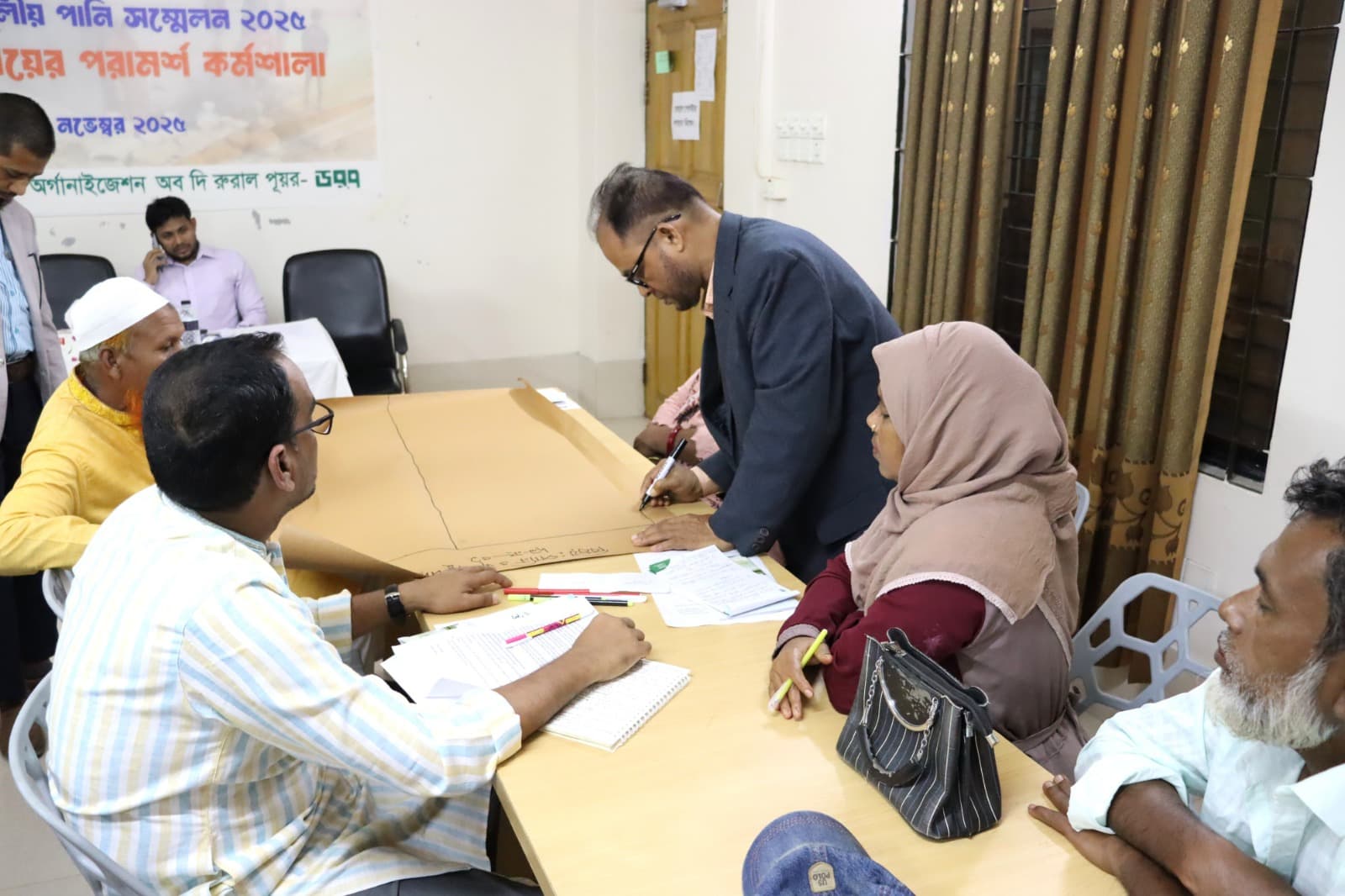
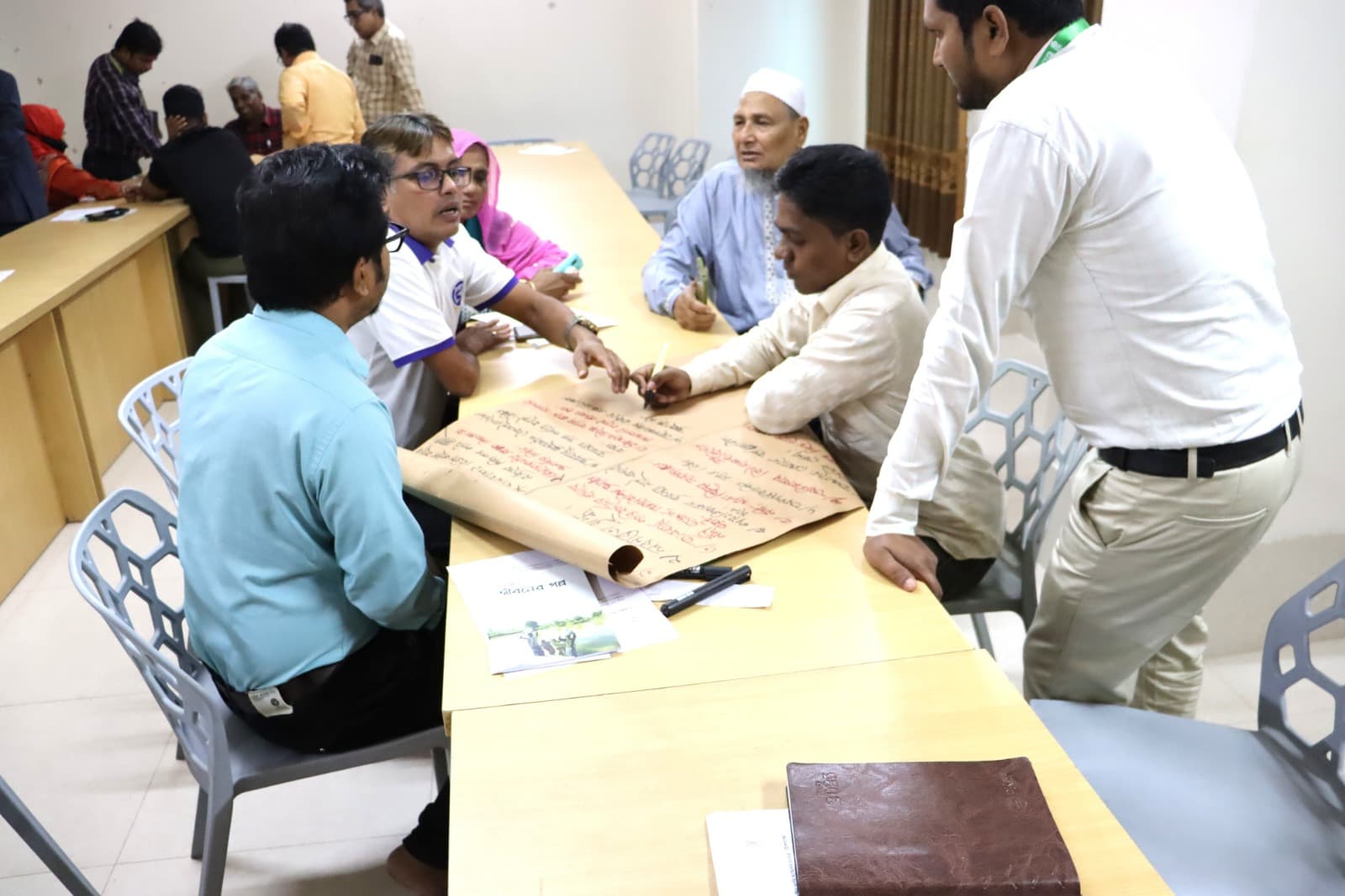
Environmental degradation emerged as a critical constraint to both livelihoods and SDG achievement. Participants reported declining river and waterbody ecosystems due to siltation, encroachment, reduced navigability, and pollution, with reduced river flow contributing to biodiversity loss and increasing threats to freshwater fish habitats. Pollution drivers were identified as salinity, industrial and agricultural waste, and chemically contaminated water from shrimp ghers, alongside widespread plastic and polythene dumping. With fisheries decline, crop losses, waterlogging, and freshwater shortages intensifying livelihood stress, the workshop emphasized the need to restore ecosystems and adopt more climate-resilient production systems.
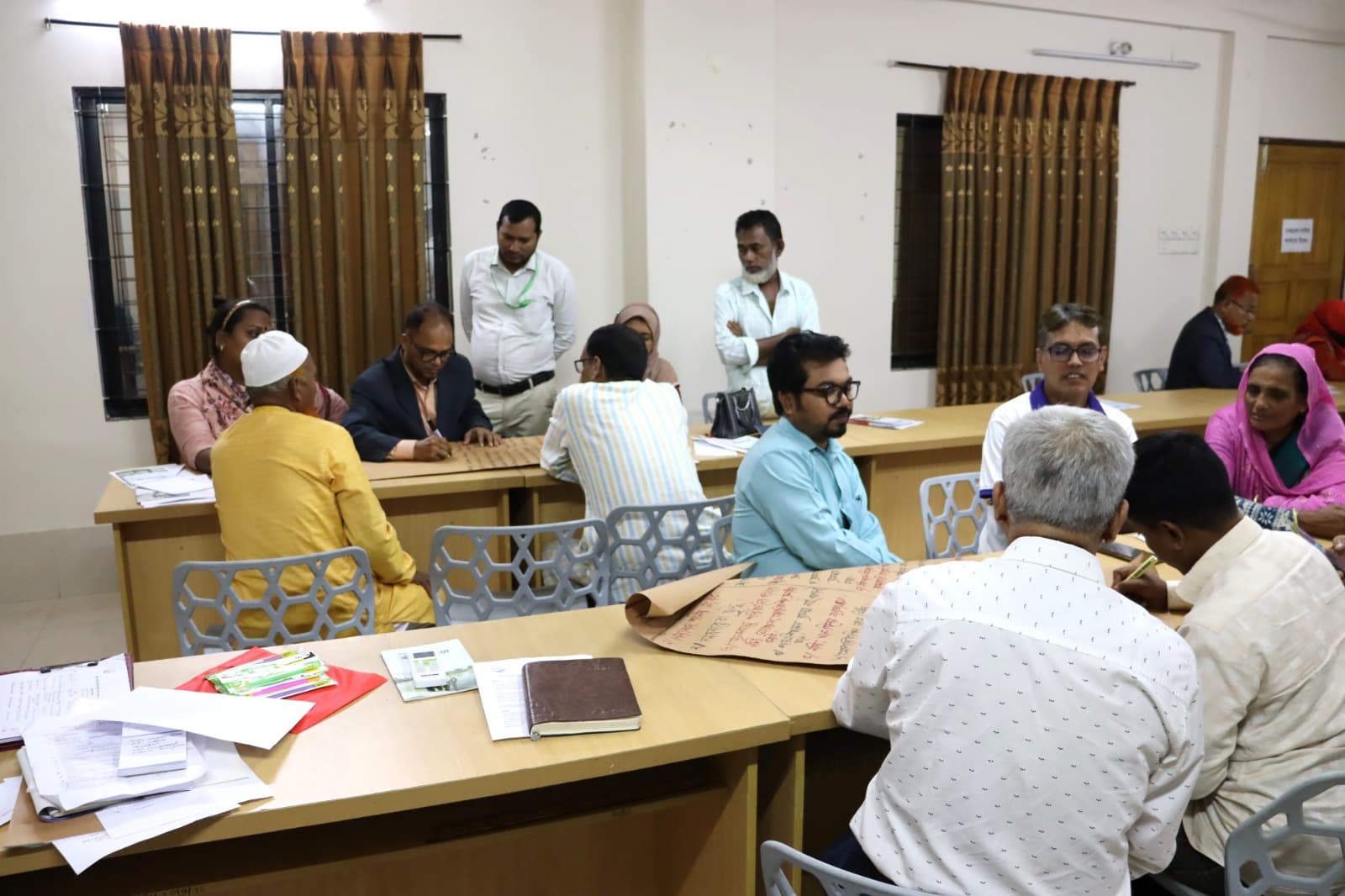
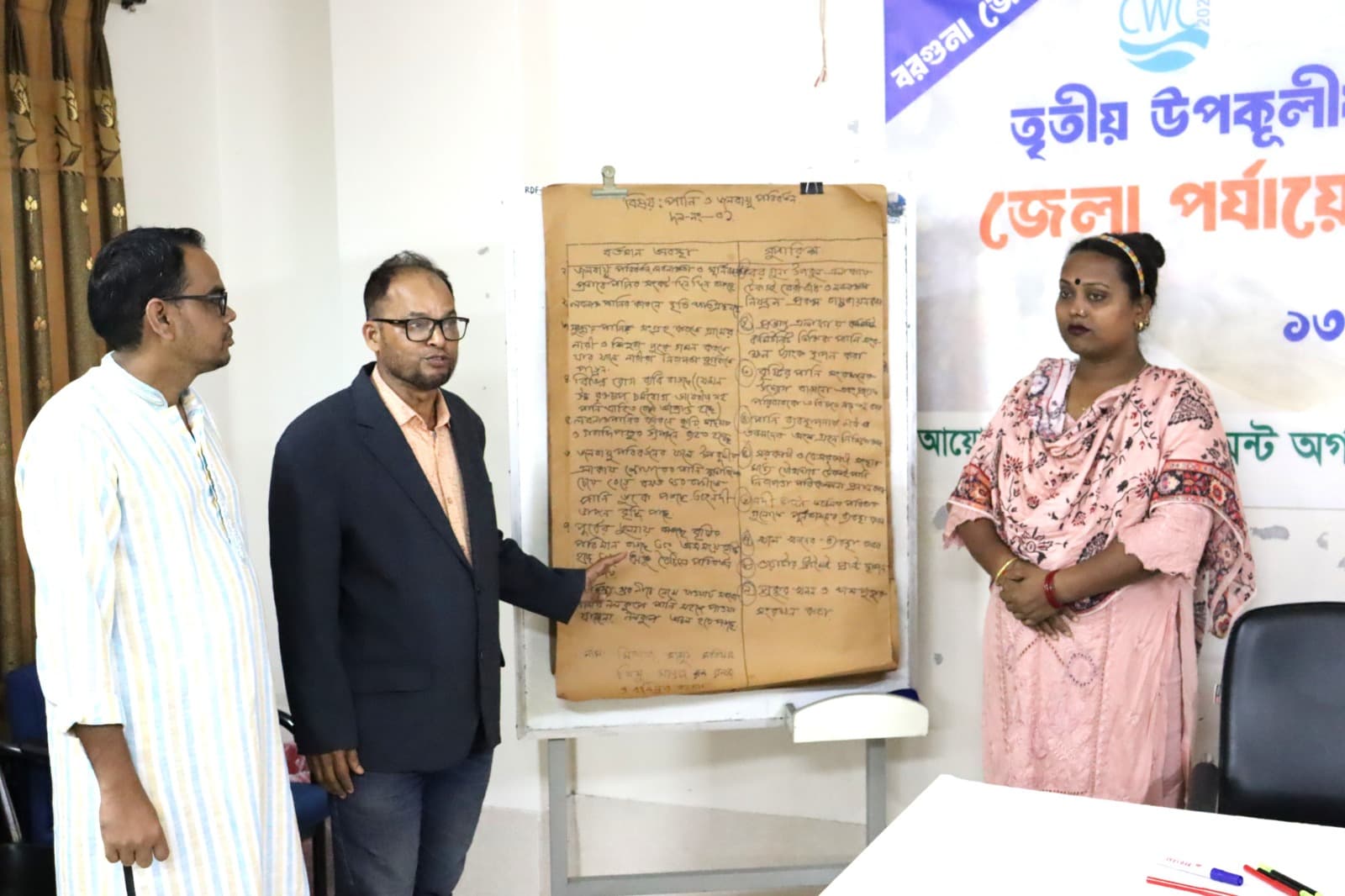
The consultation also noted major gaps in climate and water education and technical capacity. While communities increasingly experience climate impacts, scientific understanding of risks and solutions remains limited, and disaster preparedness efforts are present but insufficient in scale. Technical training opportunities were reported as inadequate in climate-resilient agriculture, water management, climate-resilient sanitation, solar energy, and small enterprise development, with additional deficits in youth and adolescent skills development for climate-resilient livelihood transitions.
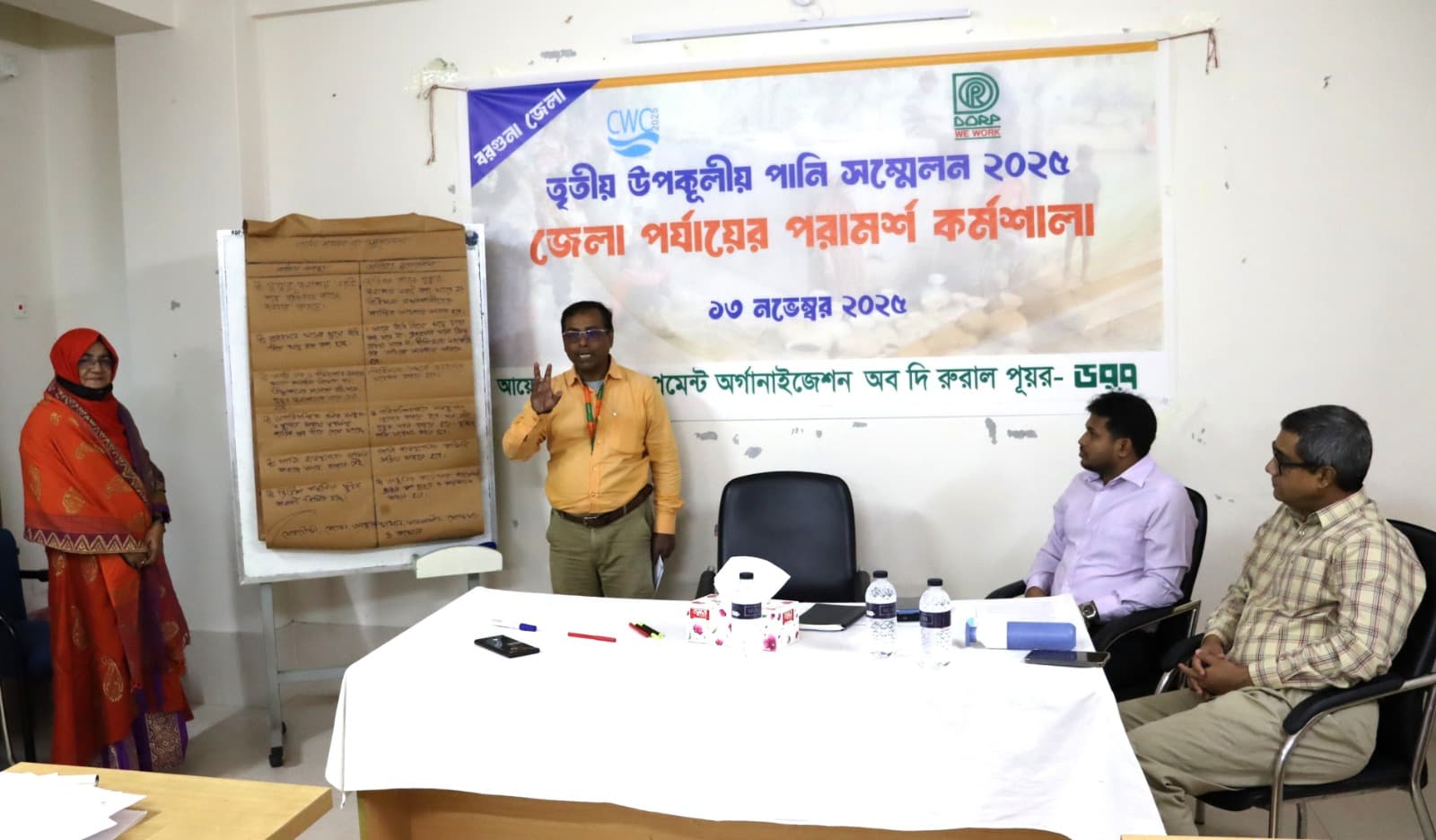
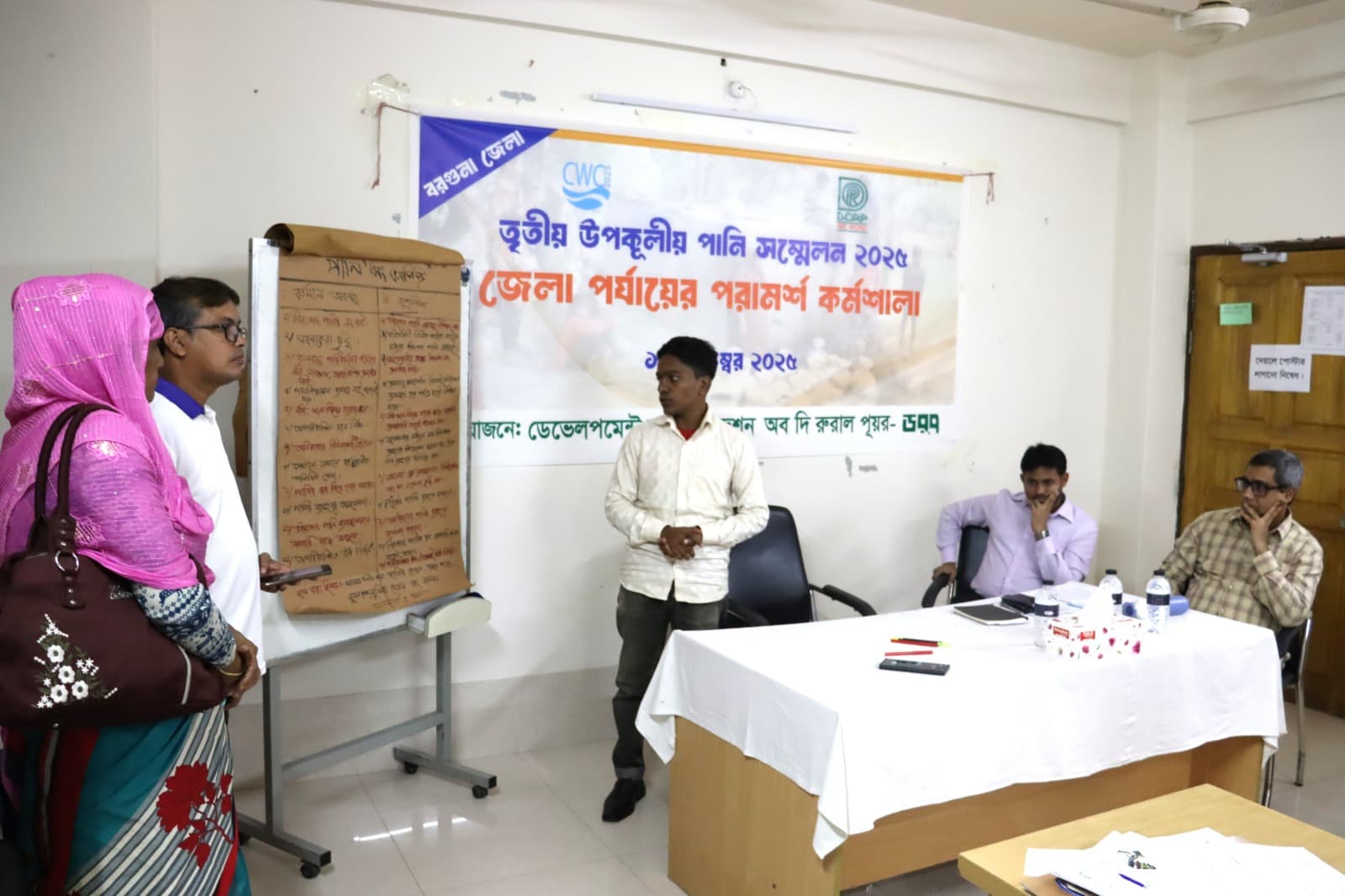
The consolidated recommendations point to a practical roadmap for Barguna that combines resilient infrastructure and improved service delivery with stronger governance and ecosystem restoration. Priority measures include sustainable embankment strengthening and salinity control, expanded community-based water storage and rainwater harvesting with adequate budget support, canal excavation and restoration of flow pathways, protection and re-excavation of ponds including khas ponds, and the establishment of water treatment plants based on needs assessment. Governance reforms emphasized integrated inter-agency planning and performance accountability, strict enforcement against encroachment, wetland filling, canal blocking and pollution, reactivation of water management committees, and transparent, community-informed protocols for sluice gate operations and embankment oversight. For ecosystems and livelihoods, participants prioritized dredging transparency and routine maintenance, freshwater fish habitat restoration, enforcement against prohibited pesticides, improved solid waste management and recycling, and scaling climate-resilient livelihood options such as modern aquaculture, integrated farming, and floating agriculture. Finally, the workshop called for mainstreaming climate-water content into formal and community education, expanding awareness and preparedness programming, and embedding youth-focused climate education and livelihood transformation skills into Union Parishad and Upazila planning.
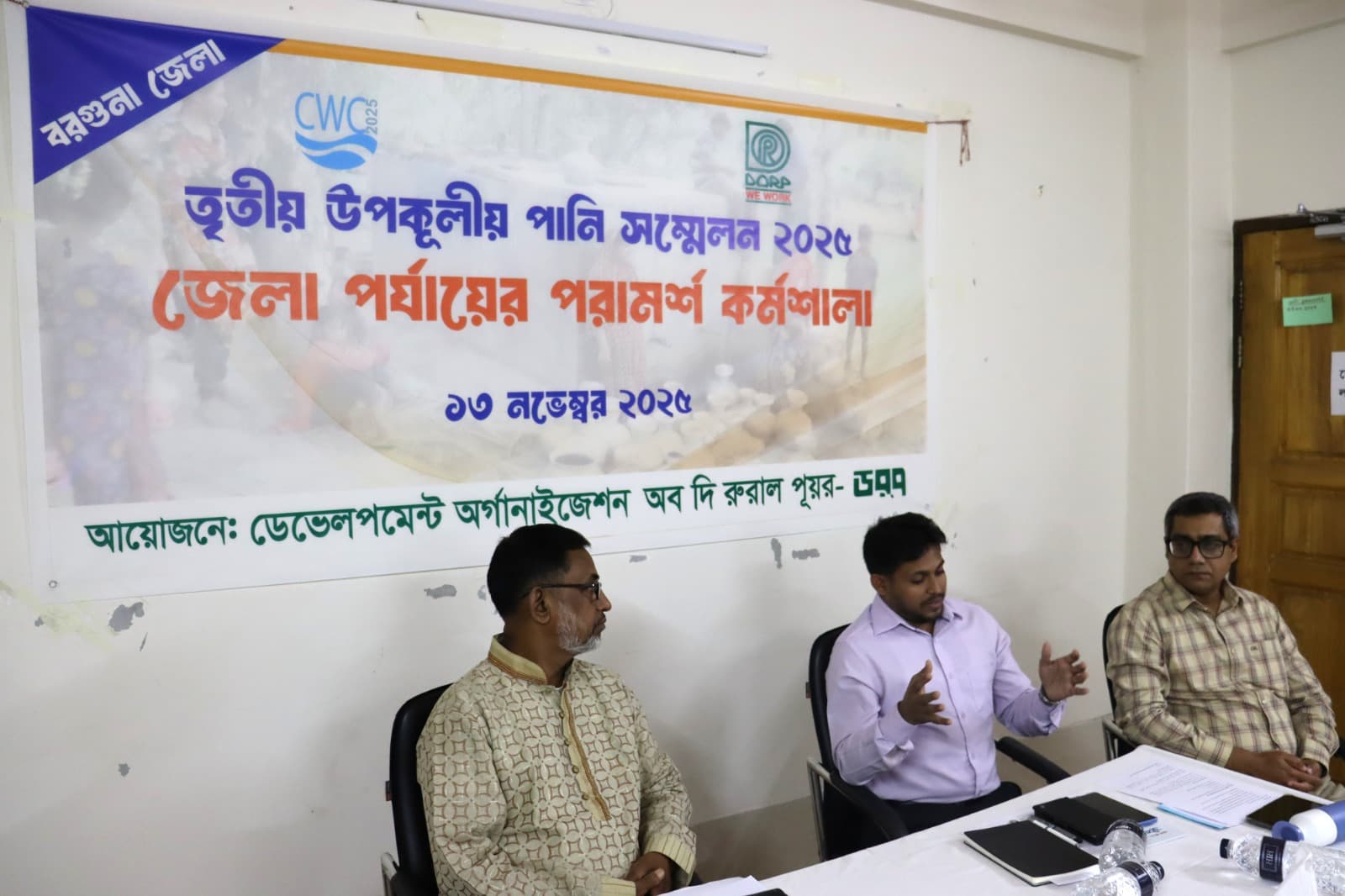
Overall, the Barguna consultation concluded that water insecurity is becoming structural rather than seasonal, shaped by compounding climate stress, governance shortcomings, ecosystem decline, and underinvestment in safe water and capacity development. The workshop’s recommendations provide a strong evidence base for integration into the 3rd Coastal Water Convention 2025 agenda and for translation into district and national planning and budgeting processes.